
Empty Shelves, Broken Links: Reframing Bad Medicines as aHealth System Failure
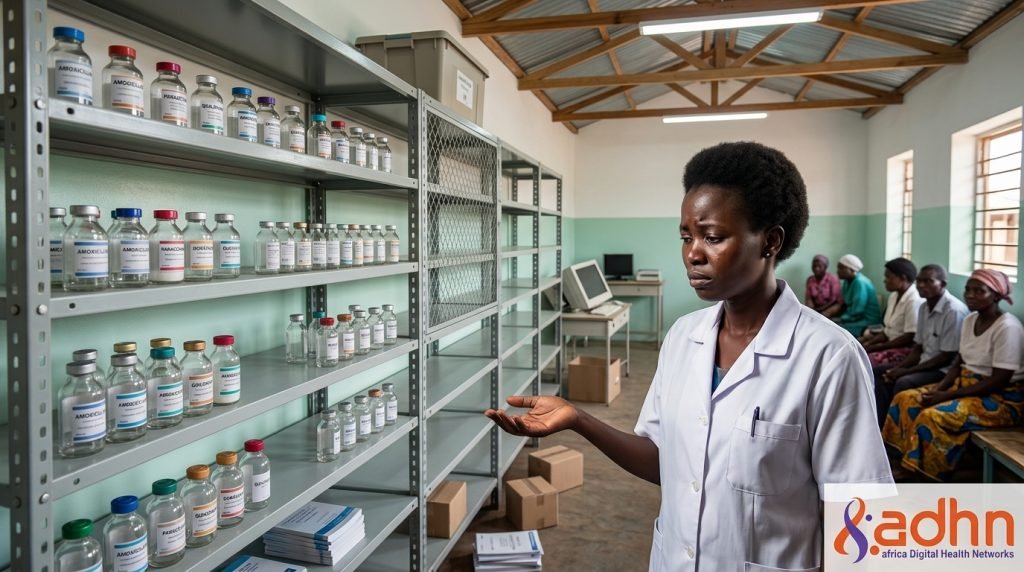
Imagine walking into a public primary healthcare facility here in Nairobi County. The waiting room is packed, the clinicians are stretched thin, and when you finally reach the pharmacy window, the answer is all too familiar: “Hatuna.” We don’t have it.
If you’ve spent any time looking at health systems management, this scenario isn’t just a minor administrative hiccup it’s a systemic crisis. For decades, when policy discussions turned to substandard and falsified (SF) medicines, the framework was almost entirely punitive. We talked about criminal syndicates, border enforcement, and back-alley counterfeiters. But as someone deeply immersed in evaluating pharmaceutical workforce availability and essential medicine access across public primary health care facilities, I’ve come to see that bad drugs aren’t simply an isolated law enforcement problem. They are the predictable, structural symptoms of a fragile health system.
Digging Into the Architecture of Vulnerability
As part of a broader research effort to map out these structural gaps, I recently conducted a scoping review analyzing peer-reviewed data from 2000 to early 2026. The goal was simple: move past the laboratory analysis of pill composition and look directly at the administrative, regulatory, and supply chain machinery that lets these products reach a patient’s hands. When you look at the evidence across Sub-Saharan Africa, the traditional “criminal narrative” completely falls apart. Instead, an interconnected web of institutional vulnerabilities emerges. Let’s break down exactly what the data reveals. The Data at a Glance
Out of the 12 rigorous peer-reviewed studies that fit the structural criteria, the findings converged on two major institutional failures:
● Regulatory Incapacity: A staggering 11 out of 12 studies identified regulatory deficits as a primary enabler. The vast majority of National Medicines Regulatory Authorities (NMRAs) across the region operate below WHO Maturity Level 3. They lack the resources for active, risk-based post-market surveillance, leaving them completely reliant on passive notification.
● Procurement Dysfunction: 10 out of 12 studies pointed directly to public procurement inefficiencies. Macro-level funding delays from finance ministries disrupt tendering cycles, while rigid cost-minimization mandates force procurement bodies to source from the cheapest possible bidders often suppliers who compromise on Good Manufacturing Practices (GMP) or use unstable excipients that degrade in tropical climates.
The Workforce Connection and the Informal Escape Valve This is where the scoping review data directly collides with my field research on workforce availability and medicine access. A secure supply chain relies heavily on human capital. When primary care facilities lack adequate, well-trained pharmaceutical personnel, localized inventory management suffers. When you pair workforce deficits with macro-procurement delays, you get chronic stockouts of frontline, life-saving therapeuticslike artemisinin-based combination therapies (ACTs) or maternal health oxytocics.
But patient demand doesn’t vanish when a public clinic’s shelves run bare. Instead, a dangerous displacement occurs. Stockouts push vulnerable populations straight into the informal market unregulated kiosks, open-air drug stalls, and street vendors. According to a comprehensive systematic review by Ngum et al. (2025), SF medicine prevalence can skyrocket to a staggering 74.2% within these unauthorized informal hubs.
By failing to secure steady, affordable medicine access and the personnel to manage it, the formal public health system effectively functions as a demand funnel for the illicit trade. Flipping the Script: A Systems-First Approach
If the problem is structural, our interventions must match. Seizing bad batches at a border is an important reactive measure, but it does nothing to address the systemic market vacuum that drew those products in the first place. Lasting progress requires us to shift from product-focused policing to comprehensive health systems strengthening:
● Modernizing Public Procurement: We must move away from blind cost-minimization toward risk-weighted bidding processes that prioritize manufacturing quality and supply chain resilience over the lowest price tag.
● Building Regulatory Maturity: Investing in NMRA infrastructure to push agencies toward WHO Maturity Level 3 is non-negotiable. This means giving regulators the field tools, mobile screening tech, and personnel required for active, risk-based post-market surveillance.
● Regional Harmonization: Leveraging the operationalization of the African Medicines Agency (AMA) to harmonize legal frameworks. Currently, lenient penal codes and uncoordinated cross-border statutes allow illicit networks to exploit jurisdictional gaps. Unified standards create a massive deterrent.
● Digital End-to-End Traceability: Utilizing robust data analytics and digital inventory tools to track medicines from production to the primary care window, minimizing public warehouse diversion and predicting stock shortages before they happen.
Grounding the Research
We cannot fix medicine quality without fixing the systems that deliver them. By prioritizing workforce availability, modernizing supply logistics, and deploying data-driven regulatory oversight, we can close the structural fractures that invite substandard medicines into our communities ensuring that when a patient reaches the pharmacy window, they receive care they can completely trust.
By Daniel Osoro
Medical Professional, Researcher & Digital Health Enthusiast
Nairobi, Kenya
This article is part of the ADHN Youth & Innovation Docket · Open Article Series 2026 — a continental platform amplifying African voices on health, digital health, healthtech, and innovation.
Your voice belongs in this conversation.
Africa’s digital health future will be shaped by the people willing to show up, speak up, and build. ADHN is the network where that happens — connecting young innovators, thinkers, and changemakers across 38+ countries and counting.
Membership is free. The impact is real.
Join ADHN today: adhn.africa/join-us
Want to contribute to the Open Article Series? Submit your article here